
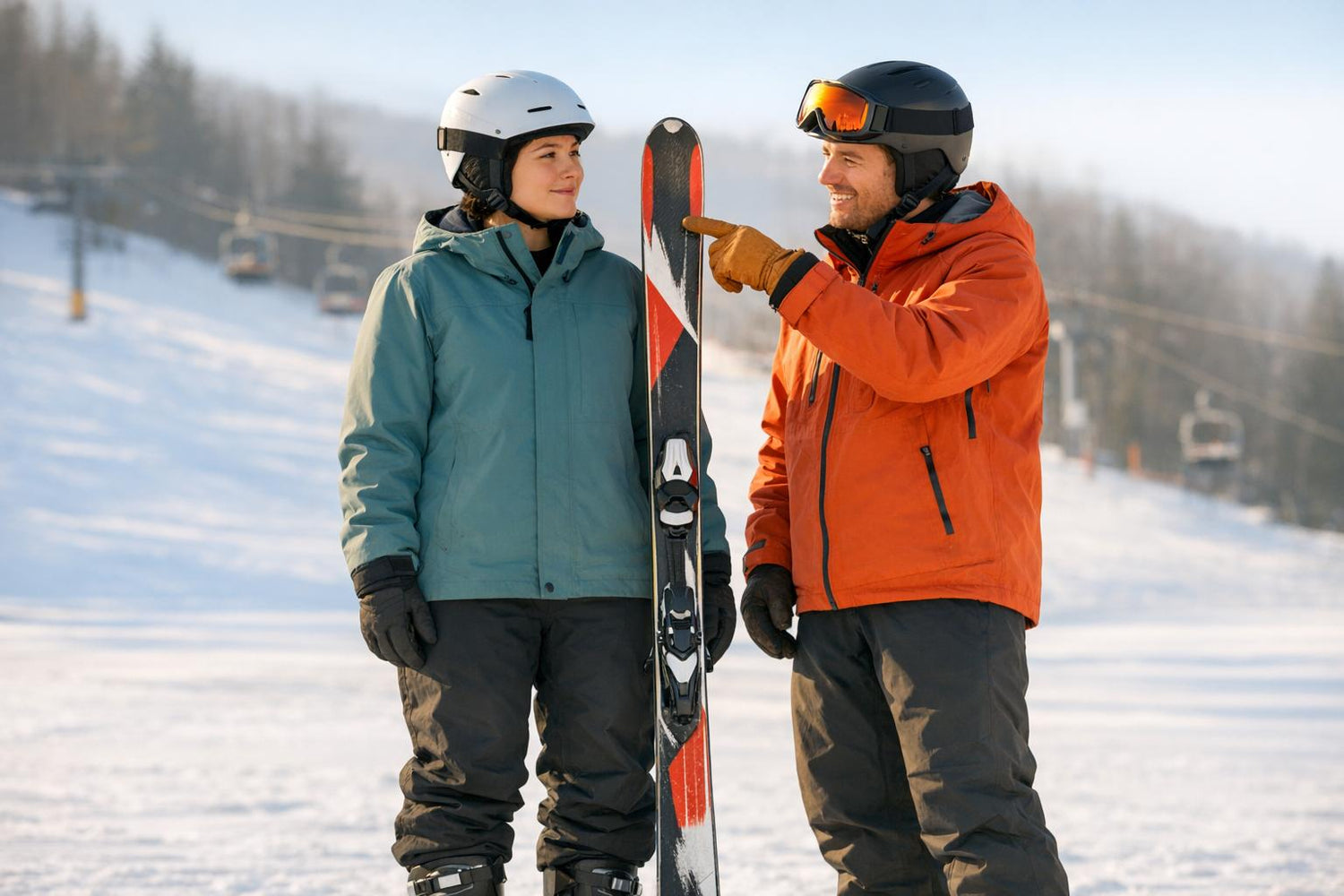
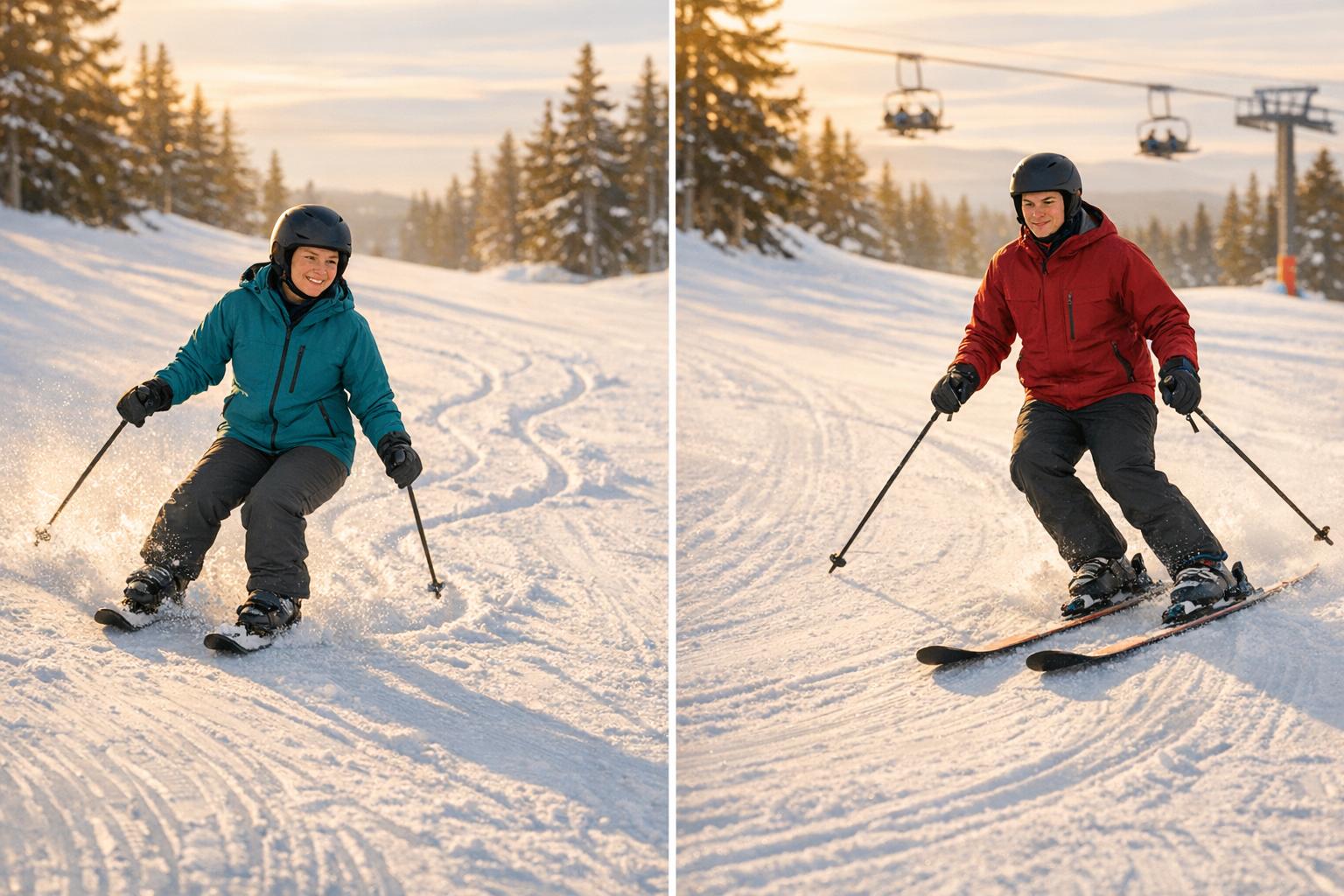
Choosing the right short ski length can make skiing easier and more enjoyable for beginners. Short skis, typically reaching between your chest and chin, are easier to control, require less effort to turn, and help you build confidence faster. Here's what you need to know:
- Height Matters: Start with skis that stand between your chest and chin. For example, if you're 5'8", skis in the 158–168 cm range are a good fit.
- Weight Adjustments: Heavier skiers may need slightly longer skis for stability, while lighter skiers might prefer shorter ones for easier handling.
- Skill Level: Beginners usually do best with chin-height skis, but athletic skiers might opt for skis closer to their nose for versatility as they improve.
- Options to Consider: Snowfeet offers beginner-friendly skiblades in 65 cm, 99 cm, and 120 cm lengths, each suited to different body types and learning needs.
If you're unsure, go shorter for better control and quicker learning. Avoid skis that are too long, as they can make turning and stopping harder. The right ski length ensures a safer, more balanced experience on the slopes.
Benefits of Short Skis for Beginners
Better Control and Stability
Short skis provide a clear advantage for those new to skiing. Their smaller turning radius makes it easier to pivot and change direction without struggling with extra length. This is especially helpful on gentle slopes, where longer skis can feel clunky and harder to manage at slower speeds.
Stopping is also simpler with short skis. When practicing the snowplow or wedge technique, shorter skis make it easier to bring the tips together, which is key for braking effectively.
Another perk? Short skis are less likely to catch an edge, reducing unexpected falls while you’re working on balance. And if you do lean too far back - what instructors call the "backseat" - shorter skis are more forgiving. They’re easier to control and recover from mistakes. As The Ski Monster explains:
"Stability depends on the skier applying adequate pressure, especially at the tip of the ski. When skiers get tired, they often fall into the backseat... A shorter ski, in the same situation, may actually feel more composed because there's less ski to keep under control".
This added stability helps beginners feel more confident and less fatigued as they learn.
Faster Skill Development
Short skis require less physical effort, which means you can spend more time practicing without tiring out your legs. Their lighter weight allows for extended sessions on bunny slopes. More practice time leads to quicker progress, helping beginners build skills at a faster pace.
sbb-itb-fed8676
Are Short Skis Better for Beginners?
How to Choose the Right Short Ski Length
Picking the right ski length depends on your height, weight, and skill level. When these factors are well-matched, your skis can make learning smoother and more enjoyable.
Sizing Based on Height
Your height is a great place to start when choosing skis. For beginners, look for skis that stand between your chest and chin when upright. Many instructors suggest chin-height skis as a sweet spot for those just starting out. Taller skiers usually need slightly longer skis for added stability, while shorter skiers benefit from the easier handling of shorter skis.
For example:
- Someone who is 5'8" might consider skis in the 158–168 cm range.
- A skier who is 6'0" could start with skis in the 168–178 cm range.
If you're in between sizes, going with the shorter option can make maneuvering easier. For athletic beginners, sizing up toward nose height can make your skis more versatile as your skills grow.
How Weight Affects Ski Performance
Weight significantly impacts how skis perform because it determines how much the ski flexes during turns. Heavier skiers bend the ski more, which can make it feel shorter and less stable. As ski instructor Steve J. Strandberg notes:
"A heavier skier will flex a ski more, making it feel shorter. A bit of extra length can help maintain stability and ensure the ski performs as intended."
If you're heavier than average for your height, consider adding 5–10 cm to the standard size recommendation. On the other hand, lighter skiers may want to subtract about 5 cm. For instance, if you're 5'4" and weigh around 170 lbs (rather than the typical 120–150 lbs), skis closer to 158 cm instead of 148 cm might offer better support and stability.
Matching Skis to Your Skill Level
Beginners often find chin-height skis ideal because they're easier to control and help with learning turns. However, if you're athletic or plan to hit the slopes often, you might opt for skis closer to nose height. While these longer skis can be trickier at first, they’re likely to stay useful as your skills improve, reducing the need for frequent upgrades.
Short Ski Length Options for Beginners
If you're just starting out, finding the right ski length can make all the difference. Snowfeet offers three skiblade options designed with beginners in mind, each catering to different body types and learning preferences.
Snowfeet Skiblades 65 cm
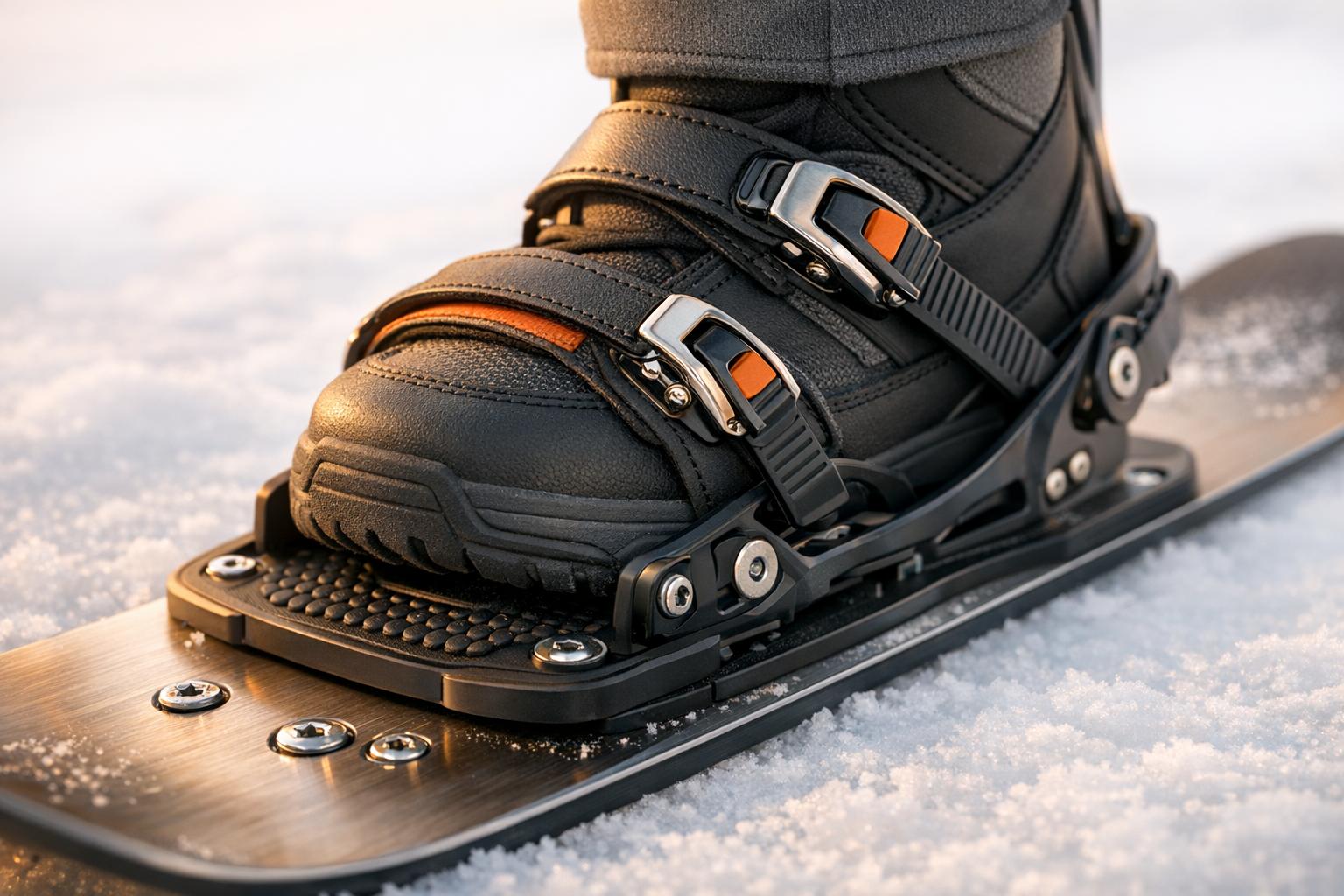
The 65 cm skiblades are all about easy handling. Perfect for kids or smaller adults, these are lightweight and require minimal effort, making them less tiring for extended use. At $550.00, they work with both ski and snowboard boots. However, keep in mind that their shorter length means less stability at higher speeds or in softer snow.
Snowfeet Skiblades 99 cm
Looking for a balance between agility and stability? The 99 cm skiblades could be the sweet spot. They offer enough surface area to provide solid support while still being quick and responsive. Priced at $690.00, they’re a great choice for moderate speeds and steady improvement.
Snowfeet Skiblades 120 cm
For those who are heavier or more athletic and want to progress faster, the 120 cm skiblades are a solid pick. With their longer length, they provide extra stability and better edge grip. While they do require more effort to handle, they offer added support for skiers aiming to push their limits. These come in at $950.00.
Pick the model that fits your needs and helps you build confidence on the slopes.
Short Ski Sizing Tools and Charts
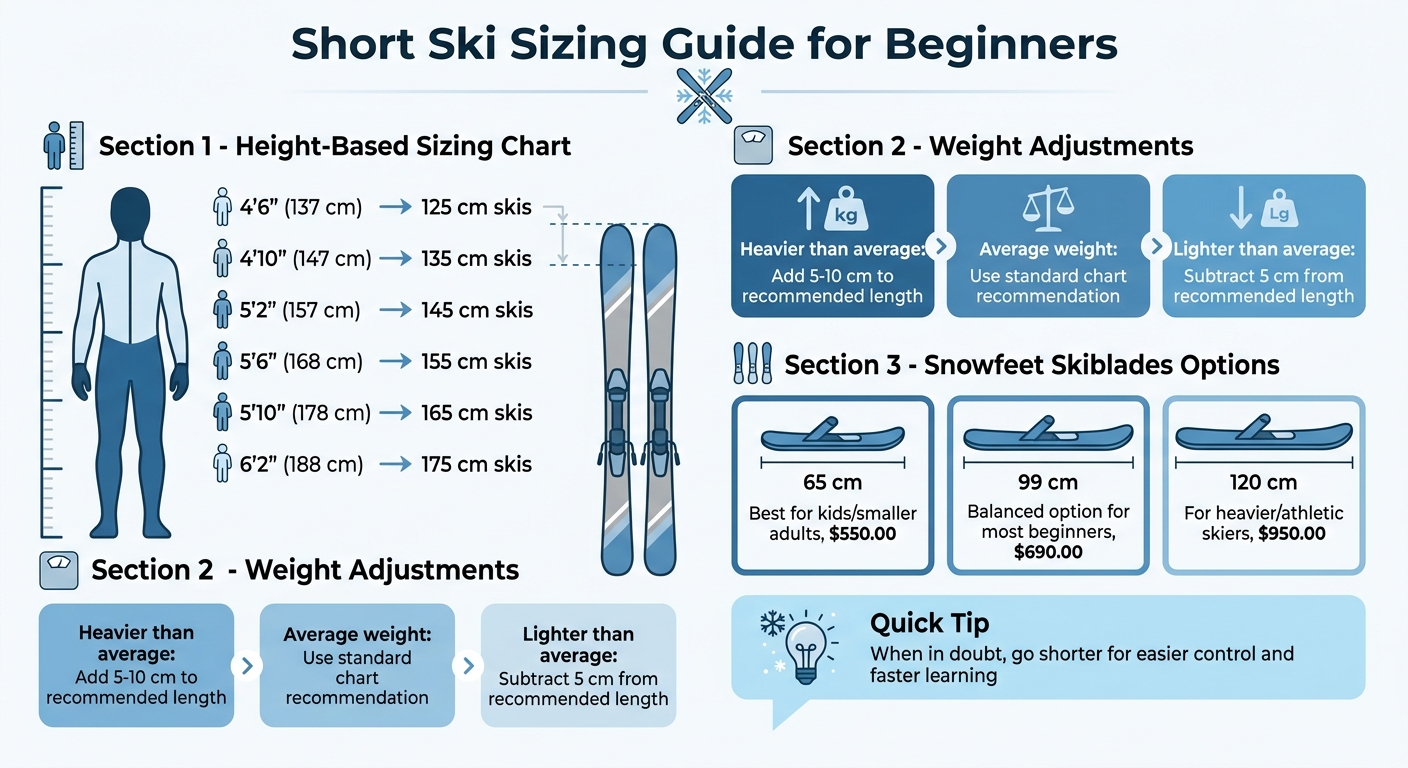
Short Ski Length Guide for Beginners by Height and Weight
Choosing the right ski length doesn’t have to be complicated. A good sizing chart tailored to your height and weight can guide you toward the perfect fit.
Short Ski Sizing Chart
Height is usually the first factor in determining ski length. For beginners, the ski tip should ideally fall between your chest and chin, giving you better control. Weight also plays a role - heavier skiers may need a slightly longer ski, while lighter individuals might prefer shorter ones. If you’re stuck between two sizes, it’s often better to go shorter, as it makes learning more manageable.
Here’s a quick reference chart to help you out:
| Skier Height | Recommended Beginner Length |
|---|---|
| 4'6" (137 cm) | 125 cm |
| 4'10" (147 cm) | 135 cm |
| 5'2" (157 cm) | 145 cm |
| 5'6" (168 cm) | 155 cm |
| 5'10" (178 cm) | 165 cm |
| 6'2" (188 cm) | 175 cm |
Once you’ve found your height on the chart, the next step is to measure yourself correctly.
How to Measure Yourself for Skis
To get an accurate height measurement, stand against a wall without shoes. If you’re using an online calculator, convert your height into centimeters - most tools calculate ski length as roughly 90% of your height in centimeters. Then, note where your chest and chin align, as these points will help you match your measurements to the suggested ski lengths.
When shopping online, compare your measurements with the ski specifications. For example, Snowfeet Skiblades offer several options: the 65 cm model works well for smaller adults and kids, the 99 cm model suits most beginners, and the 120 cm model is better for taller or heavier skiers. Keep in mind that skis with a noticeable rocker (upward curve at the tip or tail) may handle differently, so check the specific model details before purchasing. These steps will ensure you find skis that fit your size and skill level perfectly.
Common Short Ski Sizing Mistakes to Avoid
Even with sizing charts and detailed measurements, there are some common pitfalls that can throw off your ski selection. Steering clear of these mistakes will make your learning experience smoother and more enjoyable, especially during your first season.
Picking Skis That Are Too Long
One of the biggest missteps beginners make is choosing skis that are too long, often thinking they'll "grow into them." But this strategy can backfire. Ski instructor Steve J. Strandberg puts it best:
"Buying skis that are too long is by far the most common mistake. Beginners often think longer skis mean faster progression... In reality, longer skis will make learning harder, more frustrating, and potentially less safe".
Why is this such a problem? Longer skis are tougher to maneuver, especially when you're still learning the basics. For instance, the snowplow - a key stopping technique for beginners - requires you to bring the ski tips together. This becomes much trickier with longer skis. On top of that, controlling longer skis takes more energy, which can wear you out faster. For the best results, stick to the recommended sizing guidelines.
Ignoring Weight in Your Decision
While height is often the first thing people consider, weight is just as important when it comes to ski performance. A skier's weight affects how much the ski flexes, which influences its stability and ease of use. Heavier skiers naturally bend the ski more, which can make it feel shorter and less steady. On the other hand, lighter skiers don't flex the ski as much, so a shorter ski can still provide plenty of support while being easier to handle.
To get the best performance, adjust your ski length based on your weight. If you're heavier than average for your height, go for the longer end of the beginner range to maintain stability. If you're lighter, a shorter ski will be easier to control and won't feel overly stiff. This simple adjustment ensures your skis work as they should, giving you a good mix of control, ease of turning, and stability.
Conclusion
Picking the right ski length is crucial for ensuring safety, control, and steady progress on the slopes. For most beginners, skis that fall between chest and chin height are ideal, though adjustments based on weight and skill goals are key. And here’s a simple tip to keep in mind: if you’re unsure, go shorter for easier maneuverability.
Skis that are too long can turn every run into a battle - making turns harder, stops trickier, and the entire experience more tiring. On the other hand, shorter skis give you the freedom to focus on learning proper techniques without struggling against your gear. As professional ski instructor Steve J. Strandberg explains, the right ski size plays a big role in your safety, control, and how quickly you improve.
For those just starting out, Snowfeet Skiblades offer excellent options tailored to beginners. Their 65 cm, 99 cm, and 120 cm models cater to a variety of body types and learning preferences, as outlined in the sizing section earlier.
Take the time to measure yourself accurately, factor in your weight, and prioritize ease of use when selecting your skis. The right short skis can turn those early days on the mountain into a fun, confidence-building experience, helping you master the basics while truly enjoying the ride.
FAQs
Should I size up or down if I’m between ski lengths?
If you find yourself stuck between two ski lengths, it’s generally a good idea to go with the shorter option. Shorter skis are easier to control and more maneuverable, which is especially helpful for beginners. They can boost your confidence and make learning feel less intimidating. Choosing the shorter length from your range can also provide better stability, making it simpler to handle as you develop your skills.
How do I adjust ski length if I’m heavier or lighter than average?
If you weigh more than average for your height, consider going up in ski length by about 5–10 cm. This adjustment helps accommodate the extra weight and ensures the skis flex properly. On the other hand, if you’re lighter than average, sizing down by around 5 cm can make controlling the skis easier and improve maneuverability. These tweaks are essential for achieving the right ski flex, offering stability and control tailored to your weight and skill level.
Which Snowfeet Skiblades length is best for my first season?
For your first season with Snowfeet Skiblades, go for a length that matches the approach used with beginner skis - around chin height. Shorter skiblades are easier to maneuver, offering quicker turns and smoother transitions edge to edge. This makes them ideal for beginners, as they help develop stability, control, and confidence during the learning process.

Leave a comment
This site is protected by hCaptcha and the hCaptcha Privacy Policy and Terms of Service apply.